test123123
Home Blog
test123123
test123123
What Does Life Insurance “In Force” Mean?
What does life insurance “in force” mean? We all know, life insurance is a powerful tool designed to provide financial security to your loved ones in the event of your death.
It can help pay for funeral costs, cover outstanding debts, replace lost income, and offer peace of mind to those left behind.
However, having a policy isn’t enough; what truly matters is whether the policy is “in force.” This term may sound technical, but it plays a critical role in determining whether your insurance coverage is active and enforceable when it matters most.
When a life insurance policy is “in force,” it means the policy is active, valid, and offering the coverage promised by the insurer. The insured has paid the required premiums on time, and all conditions of the contract are being met.
If the policyholder dies while the policy is in force, the insurance company is obligated to pay the death benefit to the designated beneficiaries.
What Does “In Force” Mean in Life Insurance?
A life insurance policy being “in force” means it is currently active and in good standing. This status simply shows that the policyholder is meeting all requirements especially in premium payments, and the insurer is bound to fulfill its obligations under the contract.
Essentially, the policy is functioning as intended and can provide the agreed-upon death benefit in the event of the insured’s death.
Why Maintaining an In-Force Policy Matters
Keeping your life insurance policy in force is the only way to ensure your loved ones receive the protection you are planning for. Life insurance isn’t something you buy and forget about; it’s a living contract that must be maintained.
Here are a few reasons why maintaining an in-force policy is essential:
- It ensures that the death benefit is payable. So, if the policy lapses, beneficiaries will receive nothing.
- Letting a policy lapse may require a new application, medical exam, and higher premiums.
- Some policies offer living benefits or investment options that are only accessible if the policy is active.
By keeping your policy in force, you would be honoring the financial safety net you’ve built for your family and securing the benefits you invested in.
How to Keep a Life Insurance Policy In Force
As a policyholder, you must be actively staying on top of your responsibilities as it is a vital key to keeping your coverage active. Most insurers provide multiple options and reminders to help ensure your policy remains in force.
Here are some actionable steps to take when it comes to keeping your insurance policy in Force:
Pay Premiums On Time: The most basic requirement to keep a policy in force is paying premiums consistently and before the due date. Many companies offer automatic payments, which reduce the chance of forgetting.
Understand the Grace Period: Most policies include a grace period (typically 30 days) after the due date. If you miss a payment but make it during this window, your policy still remains in force.
Avoid Policy Loans That Exhaust Cash Value: With whole or universal life policies, borrowing against your policy is possible. However, if the loans and interest deplete the cash value, the policy can lapse.
Monitor Your Policy Regularly: You must regularly check your policy status annually or during major life events. Also, always confirm that your premiums, beneficiaries, and coverage amounts are up to date.
Maintain Communication With the Insurer: Keep your contact information updated and notify your insurer about major changes in your health, occupation, or financial status if required.
What Happens When a Policy Is No Longer In Force?
When a life insurance policy loses its “in force” status, it essentially becomes inactive or void. The insurer is no longer obligated to pay the death benefit, and the policyholder may have to take specific steps to reinstate coverage. In this scenario, you are left with:
Lapsed Policy: A lapsed policy means the coverage has ended due to non-payment or policy violations.
Canceled or Surrendered Policy: If the policyholder chooses to cancel or surrender the policy, the coverage permanently ends. Reapplying in the future could result in higher costs due to age or health changes.
Policy Maturity: Some permanent life insurance policies mature when the insured reaches a specific age (e.g., 100 or 120). At maturity, the policy may pay out its face value, and coverage ends.
To avoid these situations, it’s best to proactively manage your policy to keep it in force as long as needed.
Frequently Asked Questions
How Can I Check If My Life Insurance Policy Is In Force?
You can verify your policy status by contacting your insurer or logging into your online account. Also, you can look for recent payment history, policy statements, or confirmation letters.
Can a Policy Be Reinstated After It Lapses?
Yes, most insurers do allow reinstatement within a specific period. Nevertheless, you’ll need to pay missed premiums and possibly provide proof of insurability.
What Does It Mean If A Policy Is “paid up” But Still In Force?
A “paid-up” policy means no further premiums are due, but the coverage remains active. This often applies to whole life insurance when the policyholder pays enough into the policy early on.
Preneed vs. Final Expense Insurance
Preneed vs. Final Expense Insurance: What’s the difference?
When it comes to planning for the inevitable, preparing for end-of-life expenses is a responsible and considerate decision. Two of the common ways to cover funeral and burial costs are preneed insurance and final expense insurance.
While both serve the same purpose of easing the financial pressure during difficult times, they are actually designed differently and serve different goals.
Furthermore, choosing between preneed and final expense insurance involves understanding how each works, who controls the funds, what is covered, and how flexible the policies are.
Making the right decision depends on your personal wishes, financial goals, and the level of control you want over your final arrangements.
What is Preneed Insurance?
Preneed insurance is a type of prepaid funeral plan arranged directly with a funeral home. It is often used to fund a specific funeral service in advance, locking in current prices for goods and services related to burial or cremation.
What’s more, this policy is typically purchased through a funeral provider and outlines every detail of the funeral arrangements.
Characteristics of Preneed Insurance:
- It is tied to a specific funeral home or provider. So once you purchase the policy, it is often non-transferable.
- The costs are locked in at today’s rates, which can protect against future inflation.
- Additional, the funds go directly to the funeral home, not to surviving family members.
- It also covers a detailed plan, including casket, service type, transportation, and obituary notices.
It is Best For:
- Individuals who want full control over how their funeral will be conducted.
- Those who want to relieve their families from the burden of planning or decision-making.
- People who are comfortable with one specific funeral home managing the services.
The Preneed insurance is less flexible, but it offers the peace of mind that everything is pre-arranged exactly as you wish.
What is Final Expense Insurance?
Final expense insurance, also called burial insurance or funeral insurance, is a type of whole life insurance that is meant to cover the costs associated with end-of-life expenses.
These policies offer a cash benefit to beneficiaries, who can then decide how to use the money. They can make use of the funds for a funeral, outstanding medical bills, credit card debt, or other final costs.
Here are the key characteristics of Final Expense Insurance:
- It provides a lump-sum payout to the beneficiary, usually a family member or trusted individual.
- The money can be used for funeral costs or any other expenses, making it flexible.
- The funds are available in small coverage amounts, typically ranging from $2,000 to $25,000.
- In addition, there is no medical exam required in many cases, which means policies are often easy to qualify for.
This Policy is Best For:
- People who want their family to have financial support but also flexibility in planning the funeral.
- Those who may not have access to or don’t want a traditional life insurance policy.
- Seniors and individuals with health concerns who want affordable, simplified coverage.
Final expense insurance offers more flexibility and control for surviving loved ones, though it does not guarantee specific funeral arrangements.
Preneed vs. Final Expense Insurance: Differences
While both types of insurance serve the same ultimate goal covering costs after death, they differ significantly in terms of structure, flexibility, and control. Let’s look at the major differences between the Preneed and final expense insurance:
| Features | Preneed | Final Expense |
| Ownership and Control | Funeral home controls the funds and services | The beneficiary controls the payout and usage. |
| Flexibility | Less flexible; tied to a specific provider | Highly flexible; usable for any purpose. |
| Coverage Amounts | Based on itemized funeral costs | Offers a fixed cash benefit. |
| Payment Terms | Often paid in installments or lump sum to the funeral home. | Premiums paid monthly or annually to an insurance company. |
| Portability | Not portable; typically locked to one funeral provider | Fully portable; not tied to any funeral home |
Understanding these distinctions will help you determine which type of coverage aligns with your values, budget, and wishes for your loved ones.
Frequently Asked Questions
Can I Have Both Preneed and Final Expense Insurance?
Yes, it’s possible to have both. Some people choose to use preneed insurance to cover specific funeral services and final expense insurance to provide additional support for other bills or family needs.
What Happens If I Move to Another State After Purchasing Preneed Insurance?
Preneed policies are usually tied to a specific funeral home. If you move, transferring the policy can be complicated or sometimes not allowed. Hence, you must always check for portability before buying.
Is a Medical Exam Required For Either Type?
Final expense insurance typically does not require a medical exam. Preneed insurance also usually skips health checks since the plan is service-based, not risk-based.
When To Pay Off Student Loans

When To Pay Off Student Loans – It’s a well-known fact that student loans are a necessity for many graduates. However, the financial responsibility they leave behind can linger long after graduation caps and gowns have been donned.

Deciding when to pay off student loans is one of the most significant financial decisions you’ll make post-college. While the urge to become debt-free as soon as possible is strong, it’s essential to evaluate your overall financial picture before jumping into aggressive repayments.
Furthermore, student loans often come with flexible repayment terms and relatively low-interest rates compared to other types of debt.
This means that while paying them off quickly can offer peace of mind and save money on interest, it isn’t always the most financially strategic move. Let’s look at some of the most strategic times and duration you can pay off your student loans.
Assess Your Loan Terms and Interest Rates
Before you decide when to pay off your loans, you must first understand what you’re working with. Every student loan is different; some are federal, others private; some have fixed interest rates, while others vary.
- Federal vs. Private Loans: Federal student loans often have lower interest rates, income-driven repayment plans, and forgiveness options. Private loans may lack these benefits, which makes them a priority to pay off first.
- Subsidized vs. Unsubsidized Loans: Subsidized loans do not accrue interest while you’re in school or during deferment. On the other hand, unsubsidized ones do.
- Interest Rate Considerations: If your loans have high interest rates, paying them off sooner can save you thousands in the long run.
Understanding these details helps you prioritize which loans to pay off early and which can be safely deferred.
Establish a Strong Financial Foundation First
Paying off student loans shouldn’t come at the cost of financial security. Before you speed or increase your payments, you need to ensure that your financial base is solid.
- Build an Emergency Fund: Ideally, you should have at least 3-6 months’ worth of expenses saved in case of emergencies like job loss or unexpected medical bills.
- Pay Off High-Interest Debt First: Credit card debt and personal loans usually carry much higher interest rates than student loans. It’s often smarter to tackle those before making extra payments on student loans.
- Stabilize Your Income: If your job or income is uncertain, it may be wiser to stick to minimum payments until you have a stable financial footing.
A strong foundation ensures that you won’t be caught off guard while focusing on student loan repayment.
Consider Your Career Path and Loan Forgiveness Opportunities
Your career choices can significantly influence your repayment strategy. Some careers offer loan forgiveness programs that can make early repayment unnecessary or even unwise.
- Public Service Loan Forgiveness (PSLF): If you work in public service or for a non-profit, you may qualify for PSLF after making 120 qualifying payments.
- Teacher Loan Forgiveness: Teachers in low-income schools may be eligible for partial loan forgiveness after five years.
- Income-Driven Repayment Forgiveness: Federal loans under income-driven repayment plans may be forgiven after 20-25 years.
Before you start aggressively paying off your loans, check whether your career path could eliminate a portion of your debt through forgiveness programs.
Evaluate Your Long-Term Financial Goals
Student loan repayment must be balanced with other financial aspirations. Whether you’re planning to buy a home, start a business, or save for retirement, your goals should influence how aggressively you tackle your loans.
- Investing vs. Repayment: If your loan interest rate is lower than potential investment returns (e.g., 3% loan vs. 7% average stock market return), it might make more sense to invest the money instead of rushing to pay off the loan.
- Saving for Major Life Events: Planning for a wedding, children, or travel may be more valuable in the short-term than eliminating debt.
- Retirement Savings: Don’t sacrifice retirement savings just to pay off student loans early. Compound interest favors starting early.
Having a clear vision of your long-term goals can help determine whether paying off loans early aligns with your life plans.
Make Extra Payments Strategically
Once you’ve built an emergency fund, paid off high-interest debt, and ensured you’re not missing out on forgiveness programs, you might be ready to pay off student loans more aggressively.
- Target High-Interest Loans First: Pay off the highest-interest student loans while making minimum payments on the others.
- Use Windfalls Wisely: Bonuses, tax refunds, and gifts can be put toward student loans without disrupting your regular budget.
- Avoid Prepayment Penalties: Most student loans do not penalize prepayment, so any extra amount you contribute directly reduces your principal.
Strategic extra payments can help you save on interest and reduce the life of your loan without sacrificing financial flexibility.
Does Car Insurance Cover Car Seat Replacement After an Accident?
Does car insurance cover car seat replacement after an accident? Dealing with car accidents, even the minor ones, can be incredibly stressful, especially when children are involved. One of the most commonly overlooked consequences of a collision is the safety of your child’s car seat.
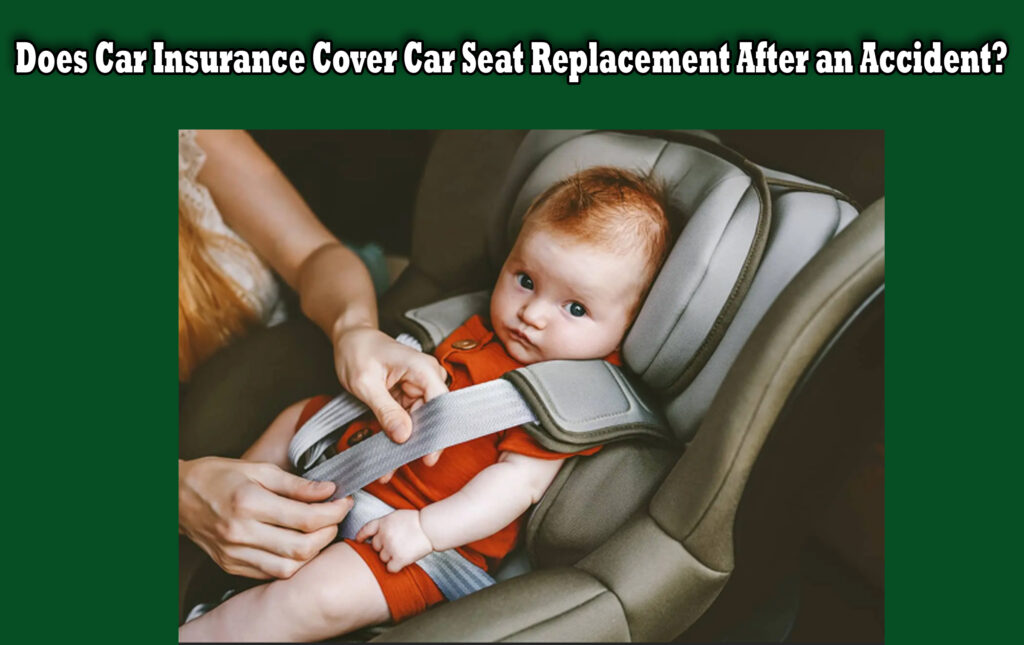
On the surface, while it might not appear visibly damaged after a crash, a car seat can lose its structural integrity and protective qualities. This raises an important question for parents and caregivers: Does car insurance cover the cost of replacing a car seat after an accident?
Inmany cases, yes they actually do. Car insurance policies, particularly those covering collision damage or liability claims, often provide for the replacement of car seats if they were in the vehicle during an accident.
However, the extent of the coverage depends on your insurance provider, the severity of the crash, and national safety guidelines.
The Importance of Replacing a Car Seat After an Accident
Even if your car seat appears unharmed after a crash, it could be compromised internally. Manufacturers and safety experts always emphasize the need to replace a car seat after a collision, especially if the crash was moderate or severe.
This is because car seats are designed to absorb crash energy, and once they’ve done that job, they may no longer offer the same level of protection. Here are some other reasons why seat replacement matters:
- Hidden damage: Cracks or weakened components may not be visible to the eye.
- Loss of warranty or guarantee: Some manufacturers automatically void warranties after a crash.
- Compliance with safety guidelines: Both the National Highway Traffic Safety Administration (NHTSA) and car seat manufacturers are constantly recommending replacement after moderate to severe accidents.
- Peace of mind: A new, certified-safe seat just ensures your child is protected in future travel.
Additionally, ensuring your child’s safety should never involve guesswork, as this is a risky move itself. Replacing the seat simply ensures you’re not taking unnecessary risks with their well-being.
How Car Insurance Covers Car Seat Replacement
The good news is that many auto insurance policies do cover car seat replacement after an accident, especially if the seat was occupied or the crash met certain severity criteria. However, policyholders should understand the conditions under which coverage applies.
Types of Insurance That May Cover Car Seats
They include:
- Collision Coverage: If the crash was your fault, this part of your policy is more likely to pay for the seat replacement.
- Liability Coverage: If the other driver was at fault, their liability insurance may cover your car seat replacement.
- Comprehensive Coverage: While rare, some policies may cover replacement if the seat is damaged in non-collision events like theft or fire.
The documentation required for this include:
- Photos of the damaged seat.
- A copy of the police report or accident report.
- Receipts for the original purchase of the car seat (if available).
- A written statement from the insurance company acknowledging the need for replacement.
This is why it’s very crucial to ask your insurer about their specific guidelines, as some may have detailed conditions for when and how a car seat is covered.
Manufacturer and NHTSA Guidelines on Car Seat Replacement
An essential you must take is fully understanding what the car seat manufacturer and the NHTSA recommend, especially when working with your insurance provider. Their guidance may directly influence the outcome of your claim.
NHTSA Guidelines:
- They recommend replacement after moderate or severe crashes.
- It only allows continued use after minor crashes, defined by:
- The vehicle was able to drive away from the crash site.
- No injuries occurred.
- The air bags did not deploy.
- No visible damage to the car seat.
- The car door nearest the car seat was not damaged.
Manufacturer Guidelines:
- Some brands recommend replacement after any crash, no matter how minor it appears.
- Others align with NHTSA’s recommendations, only requiring replacement after moderate/severe accidents.
In hindsight, it would really help to always consult your car seat’s user manual or contact the manufacturer directly. This ensures your replacement claim aligns with both safety standards and insurance requirements.
Steps to Take After an Accident Involving a Car Seat
If you’ve been in an accident, knowing what to do next regarding your child’s car seat can streamline your insurance claim and replacement process. Here are some steps to take after an accident that involves a car seat:
- Remove the car seat and document its condition with photos.
- Save the accident report and any statements from law enforcement.
- Contact your insurance provider as soon as possible to report the need for replacement.
- Request written confirmation that the car seat is covered under your policy.
- Keep all receipts if you replace the seat before receiving reimbursement.
Taking prompt action not only protects your child but also speeds up the claims process with your insurance provider.
Frequently Asked Questions
Will Insurance Still Cover A Car Seat Even If It Wasn’t Occupied During The Accident?
Yes, in many cases. Some insurers will cover replacement regardless of whether a child was in the seat at the time of the accident, especially if the crash was significant.
Do I Have To Replace The Car Seat With The Same Brand Or Model?
You don’t necessarily have to. There are some insurance policies that allow for reimbursement based on the value of the original seat. You can simply choose a different seat, but the coverage may be capped at the original price.
What If I Lost The Receipt For The Car Seat?
You are still able to receive coverage by providing an estimate or proof of purchase from the retailer, a photo of the seat, and information about the make and model.
What Is Credit Insurance?
Credit insurance is a type of protection that helps you pay off your debt if something unexpected happens. It can cover loans, credit card balances, or other debts if you lose your job, become disabled, or pass away.
This insurance is usually offered by lenders, banks, or credit card companies when you take out a loan or open a new credit account.
The main goal of credit insurance is to help you or your family avoid falling behind on payments during tough times.
It doesn’t erase the debt, but it can cover monthly payments or even the full balance depending on the situation and the policy terms.
How Credit Insurance Works
When you get credit insurance, you agree to pay a small fee, either monthly or as a lump sum. This fee is often added to your loan or credit card payment.
If something covered by the policy happens to you, the insurance company steps in and helps make the payments.
For example, if you become seriously ill and can’t work, the insurer may pay your loan installments until you recover. If you pass away, the remaining debt may be paid off so your family doesn’t have to deal with it.
Types of Credit Insurance
There are different types of credit insurance depending on what you want protection from. Here are the most common ones:
Credit Life Insurance
This pays off the remaining balance on your loan or credit card if you die. It helps protect your family from being responsible for your unpaid debt.
Credit Disability
Also called credit accident and health insurance, this helps pay your monthly loan or credit card payments if you become disabled and can’t work.
Credit Involuntary Unemployment
This covers your payments if you lose your job through no fault of your own. It usually applies for a limited time while you look for new work.
Credit Property Insurance
This covers personal property you used as collateral for a loan—like a car—if it’s stolen or damaged.
Is It Always Required?
No, credit insurance is not required by law. Lenders cannot force you to buy it to get approved for a loan or credit card. It’s optional, and you have the right to say no.
Some lenders may make it seem like you must have it, but that’s not true. If someone tries to pressure you, ask questions and read the terms carefully before agreeing to anything.
Pros of Credit Insurance
- Peace of mind: You know your debts will be covered if something unexpected happens.
- Helps protect your credit: Missed payments can hurt your credit score, but insurance helps avoid that.
- Covers big debts: If you have a large loan or balance, it can be helpful to have backup coverage.
Cons of Credit Insurance
- Extra cost: Credit insurance adds to your monthly payment or loan balance.
- Limited coverage: It may only apply in certain situations, and the benefits may not last long.
- May be cheaper elsewhere: You could find similar protection through life or disability insurance for less money.
- Some claims can be denied: If the policy has strict rules or waiting periods, your claim might not be approved.
How Much Does It Cost?
The cost of this insurance depends on the type of loan, your balance, and the type of coverage. Some charge a fixed monthly fee.
Others charge based on the amount you owe. For example, it might cost $0.50 to $1.50 for every $100 of your loan amount.
If you finance the premium into your loan, you’ll also pay interest on that cost. Always check how the fee is calculated and whether it’s worth it for your situation.
Should You Get Credit Insurance?
Credit insurance can be helpful in some cases, but it’s not for everyone. Here are some things to consider before deciding:
- Do you already have life, health, or disability insurance?
- Can you afford the extra cost each month?
- Is the coverage clear and easy to understand?
- Are there better options with more flexible benefits?
If you’re unsure, take your time. Don’t feel pressured to decide right away. You can compare different types of insurance or speak with a financial advisor for help.
Tips To Follow When Buying
- Ask questions: Make sure you know what’s covered and what’s not.
- Read the fine print: Look for exclusions, waiting periods, and how long benefits last.
- Get a copy of the contract: You have the right to review it before signing.
- Know your rights: You don’t have to buy it, and you can cancel it later if you change your mind.
Final Thoughts
Credit insurance helps you cover loan or credit card payments when life takes an unexpected turn. It offers financial support during difficult times like illness, job loss, or death.
While it’s not required, it may be useful if you don’t have other insurance or savings to fall back on.
Still, it comes at a cost and isn’t always the best choice. Before saying yes, weigh the pros and cons, check the terms, and explore other options.
Does Homeowners Insurance Cover Ice Dam Damage?
Does homeowners insurance cover ice dam damage? Ice dams can cause serious trouble for homeowners during the winter. They form when snow melts on your roof and then refreezes at the edge, near the gutters.
This creates a ridge of ice that blocks more melted snow from draining off the roof. Over time, water can back up under the shingles and leak into your home. This can lead to damaged ceilings, walls, insulation, and even mold.
Now, you might be wondering, does homeowners insurance cover damage caused by ice dams? The short answer is yes, but it depends on your policy and the type of damage. So, when does homeowners insurance cover Ice dam damage? Stick with us to find out.
What Is an Ice Dam?
Before examining this insurance coverage, it’s helpful to understand what an ice dam is and why it’s a problem.
When your roof has uneven temperatures, usually because of poor insulation, snow on the warmer parts of the roof melts. That melted water flows down to the colder edges and refreezes.
Over time, this frozen barrier becomes an ice dam. As more snow melts and water collects behind the dam, it can seep under your roof and leak into your attic or walls.
This is not just a cosmetic issue. It can damage your home’s structure and lead to costly repairs.
What Kind of Damage Can Ice Dams Cause?
Ice dams can do more harm than you might expect. Some of the most common problems include:
- Water leaks in your attic or ceilings
- Stained or sagging drywall
- Damaged insulation
- Mold and mildew growth
- Warped wood or flooring
- Damaged gutters and downspouts
Some homeowners may even have to deal with roof repairs if the shingles or underlayment are affected.
Does Homeowners Insurance Cover Ice Dam Damage?
In many cases, yes. Most standard homeowners insurance policies will cover the damage that results from ice dams, but not the ice dam itself.
This means if water leaks into your home and causes interior damage, your insurance will likely help pay for the repairs.
For example, if an ice dam causes water to leak into your living room and damage your ceiling and walls, your policy may cover:
- Repairing or replacing drywall
- Repainting walls or ceilings
- Removing damaged insulation
- Drying out the area to prevent mold
However, it’s important to remember this Insurance usually covers damage that is sudden and accidental. If the damage happens over time and you didn’t take steps to prevent it, the claim might be denied.
What Is Not Covered?
While your policy may cover the effects of an ice dam, it won’t pay for everything. Here are a few things that homeowners insurance usually does not cover:
- The cost of removing the ice dam itself
- Roof damage that happened due to lack of maintenance
- Long-term water damage from slow leaks
- Mold if it was caused by neglect
- Poor insulation or ventilation issues
So, while you may get help fixing your ceiling or walls, you may have to pay out-of-pocket to remove the ice and fix the root cause, like improving insulation or roof ventilation.
How to File a Claim for Ice Dam Damage
If your home suffers from ice dam damage, act quickly. Here’s what you should do:
- Document the damage. Take clear photos of all affected areas inside and outside your home.
- Prevent further damage. If it’s safe to do so, remove wet items, cover the area with tarps, or hire a professional to stop the leak.
- Contact your insurance company. Let them know about the damage and ask what steps to follow for filing a claim.
- Hire a contractor. Some insurers may send someone to inspect, while others will ask you to find a licensed contractor for an estimate.
Keep all receipts for repairs or emergency services. These can help support your claim.
How to Prevent Ice Dams
Even if insurance covers some of the damage, it’s best to stop ice dams before they start. Prevention is always cheaper than repair. Here are a few tips:
- Add insulation to your attic: This helps keep heat from escaping through the roof.
- Seal air leaks: Gaps around pipes, lights, or vents can let warm air rise into the attic.
- Ventilate the attic: Good airflow keeps the roof cold and reduces melting.
- Use a roof rake: After heavy snow, gently remove snow buildup from your roof edges.
- Install heat cables: These can help keep gutters and roof edges clear of ice.
Some homeowners also hire professionals to do a full home energy audit. This can point out areas that need improvement.
Final Thoughts
Homeowners insurance can offer some protection against ice dam damage. It usually covers water damage that happens inside your home, as long as the cause was sudden and not due to poor maintenance. But it won’t pay to fix the ice dam itself or correct issues like poor insulation.
To avoid trouble, take steps to prevent ice dams before winter hits. Insulate, ventilate, and be proactive about snow removal.
And if you do find yourself dealing with ice dam damage, report it to your insurer right away and follow their claims process closely.
Does Business Insurance Cover Riots?
Does business insurance cover riots? Running a business takes hard work, time, and money. You spend years building your business, growing your customer base, and keeping everything running smoothly.
But sometimes, things happen that are completely out of your control. Events like riots, civil unrest, or looting can damage your property and stop your business from operating. These situations are unpredictable, but they can cause serious losses.
That’s where business insurance comes in. Business insurance is meant to protect you from many types of risks, including natural disasters, accidents, lawsuits, and sometimes, civil disturbances.
But many business owners ask: Does business insurance cover damage caused by riots? The answer is yes, in many cases, it does.
However, the details depend on the type of coverage you have, your policy limits, and the exact language in your insurance agreement.
In this article, we’ll explain how business insurance works when it comes to riot-related damages, which types of coverage apply, and what steps you should take to stay protected.
What Is Considered a Riot?
Before we go deeper, it’s important to understand what insurance companies mean when they say “riot.” Most insurance companies define a riot as a violent disturbance by a group of people that causes damage to property or stops normal activities. But riots may include:
- Vandalism (like broken windows or graffiti)
- Looting (when people steal from stores or businesses)
- Fire damage
- Physical damage to buildings, signs, or equipment
- Civil commotion or unrest
These events often happen during protests or political unrest, but not all protests turn into riots. The main thing is whether the situation becomes violent or causes destruction.
Does Business Insurance Cover Riot Damage?
In general, yes, most standard business insurance policies cover damage caused by riots. However, different parts of your policy may apply to different types of losses. Let’s break it down:
Commercial Property Insurance
This is one of the main types of business insurance, and it typically covers physical damage to your building, equipment, furniture, and inventory. If a riot leads to:
- Broken windows
- Fire or smoke damage
- Stolen merchandise
- Damaged shelves, walls, or flooring
…then your commercial property insurance will likely pay for the repairs or replacements, as long as riots and civil unrest are not excluded in your policy.
It’s always important to read the fine print or speak with your insurance agent to confirm what’s covered.
Business Interruption Insurance
Sometimes, the damage caused by a riot forces you to close your business for a while. This is where business interruption insurance can help.
It covers lost income and helps pay for ongoing expenses, like rent, utilities, or employee wages, when your business cannot operate because of covered property damage.
For example, if your store is damaged during a riot and you have to close for repairs, business interruption insurance may cover your lost revenue during that time.
However, this coverage usually only kicks in if property damage has already occurred. If there’s no physical damage but you still close as a precaution, your policy may not apply.
General Liability Insurance
If a riot causes injuries on your business property, general liability insurance may help. For instance, if a customer or passerby is hurt during the unrest and sues your business, this insurance may cover legal fees or medical bills.
Keep in mind that this does not usually cover injuries to your employees. For that, you would need workers’ compensation insurance.
Vehicle Insurance for Business Vehicles
If your business owns vehicles and they get damaged during a riot, they may be covered by your commercial auto insurance, but only if you have comprehensive coverage. This type of auto insurance covers things like vandalism, theft, and fire.
If you only have basic liability coverage, you won’t be protected from riot-related vehicle damage. It’s a good idea to review your auto policy if your vehicles are at risk.
Extra Expense Coverage
Some business insurance policies include extra expense coverage. This helps pay for costs related to temporarily relocating your business, speeding up repairs, or renting equipment to keep operations going.
If a riot forces you to move or work from another location, this coverage can make a big difference.
What’s Not Covered?
While many types of riot-related damage are covered, there are some limits. Here are a few things that might not be included:
- Government shutdowns without any property damage
- Losses due to fear or threat of a riot (without actual damage)
- Delays in reopening after repairs are complete
- Damage caused by war, terrorism, or rebellion (these may be excluded in some policies)
Again, every insurance policy is different. The best way to know what’s covered is to review your plan or ask your insurance provider directly.
How to Protect Your Business Before Unrest Happens
You can’t always predict when civil unrest will happen, but you can prepare in advance. Here are a few steps to help protect your business:
- Review your insurance policies and make sure they include riot and civil commotion coverage.
- Add business interruption insurance if you don’t already have it.
- Take photos of your property and inventory to make claims easier if damage occurs.
- Strengthen your building security, install cameras, alarms, and reinforced windows or doors.
- Back up important business data in case of equipment damage or theft.
- Create an emergency plan so you and your staff know what to do if unrest occurs nearby.
Filing a Claim After Riot Damage
If your business is affected by a riot, it’s important to act quickly. Here’s what you should do:
- Document the damage with photos or video.
- Make a list of damaged or stolen items.
- Secure your property to prevent more losses.
- Contact your insurance company as soon as possible.
- Keep records of any repairs or temporary business expenses.
Your insurance provider will guide you through the claims process. Having good records and acting fast can help you get compensation more quickly.
Final Thoughts
Business insurance is there to protect you from many unexpected events, including damage caused by riots.
In most cases, if your policy includes commercial property, business interruption, and comprehensive vehicle coverage, you’ll be covered for most riot-related losses.
However, policies can differ, so it’s important to read your documents carefully and speak with your agent to understand your exact protection.
What Is 60-Month Loan?

60-Month Loan – Borrowing money can be a helpful way to manage large expenses, either you need it to buy a car, pay for home repairs, or consolidate high-interest debts.

But when it comes to choosing the right loan, the repayment period matters just as much as the amount you borrow. One of the most popular loan options available today is the 60-month loan.
A 60-month loan is a type of installment loan that gives you five full years to repay the money in fixed monthly payments.
This kind of loan spreads the total cost over a longer time, which makes each payment smaller and easier to handle.
Because of that, many people find 60-month loans more manageable than shorter-term options, especially if they are working with a limited income or need to stick to a strict budget.
Whether you’re taking out a personal loan, financing a car, or looking to lower your monthly payments on existing debt, understanding how 60-month loans work can help you make smarter financial choices.
In this article, we’ll explain the basics of 60-month loans, how they compare to other loan terms, and the pros and cons you should think about before deciding if it’s the right choice for you.
What Is a 60-Month Loan?
A 60-month loan is a loan that you pay back over a period of 60 months, or five years. You borrow a fixed amount of money and agree to repay it in equal monthly payments over the full loan term.
These payments usually include both the principal (the amount you borrowed) and the interest (the fee charged by the lender for letting you use their money).
These loans can be secured (backed by collateral like a car or house) or unsecured (not backed by any property). The interest rate you receive depends on your credit score, income, and other factors.
What Can You Use A 60-Month Loan For?
People use 60-month loans for many reasons. Some of the most popular include:
- Auto Loans: Many car loans are set up for 60 months. This gives buyers enough time to spread out the cost of a new or used vehicle.
- Debt Consolidation: If you have several high-interest debts, you can combine them into one 60-month loan with a lower interest rate.
- Home Improvements: A 60-month loan can help cover the cost of fixing or upgrading your home.
- Medical Bills or Emergencies: For unexpected costs, a longer loan term can make payments more manageable.
Benefits of a 60-Month Loan
There are several reasons why borrowers choose a 60-month loan:
Lower Monthly Payments
One of the biggest advantages is that you get smaller monthly payments compared to shorter-term loans. This can help you balance your budget more easily.
Easier Financial Planning
With fixed monthly payments, you always know exactly how much you owe each month. This helps you plan better and avoid surprises.
More Time to Pay
The five-year term gives you more breathing room to pay off large expenses without putting too much pressure on your finances.
Better Loan Access
Because the monthly payments are lower, some lenders may be more willing to approve your loan, especially if your income is moderate.
Cons
Even though a 60-month loan sounds appealing, it does come with a few downsides you should think about:
Higher Total Interest
Since you’re borrowing money for a longer time, you’ll end up paying more in interest over the life of the loan, even if your rate is low.
Long-Term Financial Commitment
Five years is a long time. A lot can change, like your job, income, or expenses. Make sure you’re ready to commit to payments for that long.
You Might Owe More Than It’s Worth
This happens a lot with car loans. Cars lose value quickly, so after a few years, you might still owe money on a vehicle that’s no longer worth much.
Harder to Pay Off Early
Some lenders charge a prepayment penalty if you pay off the loan early. That’s something to check in the loan agreement before signing.
How to Decide if a 60-Month Loan Is Right for You
Choosing the right loan term depends on your needs and goals. A 60-month loan might be a good option if:
- You need a lower monthly payment
- You’re borrowing a large amount of money
- You want predictable payments over time
- You’re not in a rush to pay off the loan
On the other hand, if your main goal is to pay less interest, you might prefer a shorter loan term. Shorter loans usually have higher monthly payments, but they cost you less in the long run.
Tips for Getting a 60-Month Loan
If you think a 60-month loan might work for you, here are a few tips to get started:
- Check Your Credit Score: A higher credit score can help you get a better interest rate.
- Compare Lenders: Don’t go with the first offer. Shop around and compare terms from banks, credit unions, and online lenders.
- Read the Fine Print: Look out for hidden fees, penalties, or changing interest rates.
- Use a Loan Calculator: This tool can show you how much your monthly payments will be and how much interest you’ll pay in total.
- Borrow Only What You Need: Even if you qualify for a larger amount, don’t take more than you actually need.
Final Thoughts
A 60-month loan can be a smart way to finance big expenses while keeping your monthly payments affordable. It gives you more time to repay, helps you plan your budget, and can make large purchases less stressful. But remember, more time also means more interest, and a longer commitment.
Before you apply, take the time to compare your options and make sure the loan fits your current and future financial situation. With the right approach, a 60-month loan can offer the support you need without putting too much strain on your finances.